

The hidden costs of owning a motorhome
Buying a motorhome is a relatively simple step – but it is always worth remembering that it’s not the end of your financial obligation. Many other factors should be considered so that you have a better understanding of expenses and are able to consider your likely overall annual expense. In this brief edition of our blog we’ll be looking into these ‘hidden costs’ that are associated with motorhome ownership.
Before we dig in, let’s pause for a moment to remember that owning your very own motorhome is fantastic. You’re free to travel all over the country at a moment’s notice, and free of the hassle of finding suitable accommodation – as well as free of paying for it. Essentially, when you own and travel in a motorhome you are living in your own environment, with all of the comforts and luxuries of it being a home-from-home.
The initial motorhome purchase cost
There’s no getting around the fact that your initial purchase cost will be quite significant. A motorhome is a large purchase and, unless you are absolutely rolling in cash, you are going to be thinking carefully about what you’re buying.
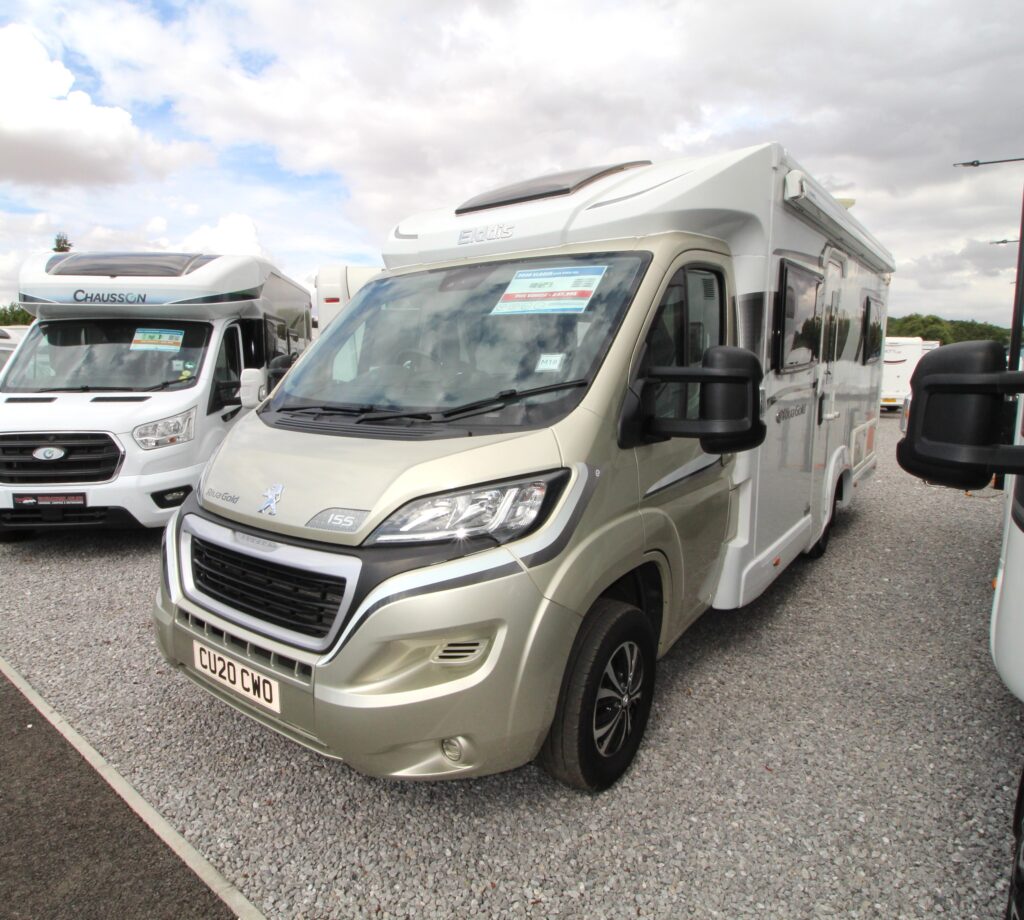
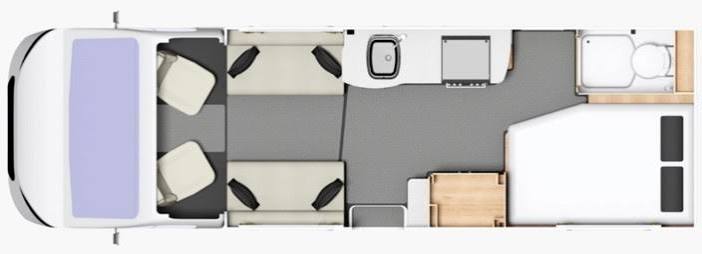
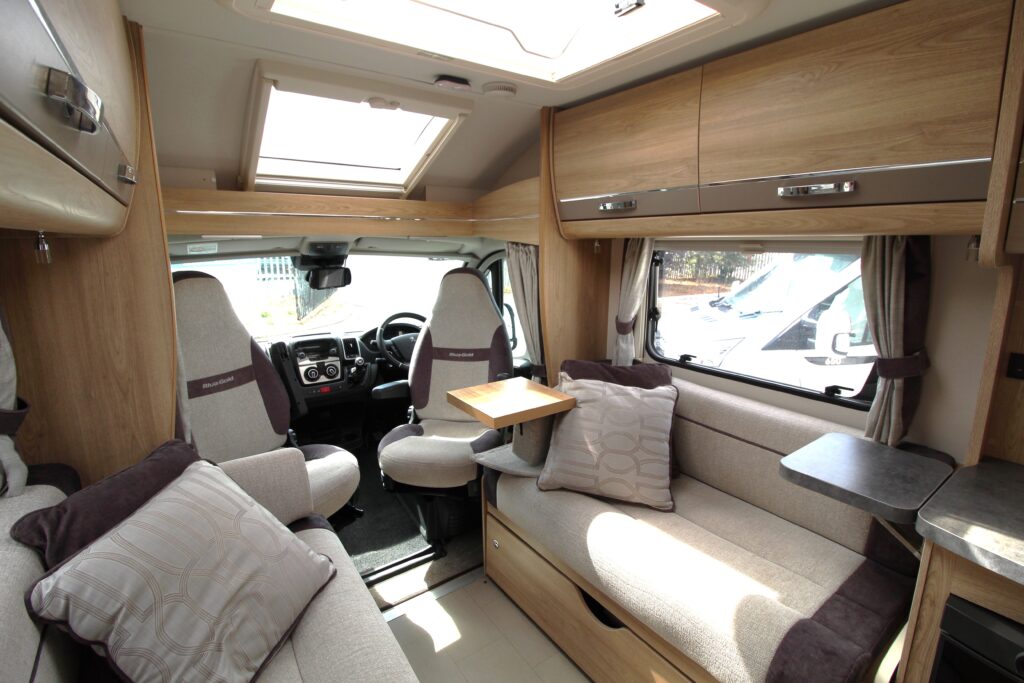
The cost of motorhomes varies dependent on the brand, class and model you choose, which is likely to have been chosen based on your preference of specification (ie. the number of beds, the amount of living space, the storage options etc). It’s worth remembering that you don’t have to buy from new, as the pre-owned motorhome market can provide you with something that ticks all of your boxes at a fraction of the price from new.
The cost of insurance cover
One of the first things you are going to have to tackle, after you have bought and paid for your motorhome, is the insurance. This is a legal obligation (meaning you cannot avoid getting insurance if you want to drive within the bounds of the law). Finding the right insurance cover will mean that your vehicle is protected, and you will be able to enjoy yourself out on the road without any worry.
Just like with car insurance, there are various types of motorhome insurance. They are:
1. Comprehensive:
This is the highest level of insurance you can get for your motorhome. It covers you for traffic accidents (repairing damage to your own motorhome or to other vehicles), fire damage, plus you and your passengers, pedestrians, other drivers and their passengers. It also protects against theft and damage caused by break-ins, covering the contents (ie. anything you leave inside – personal possessions, devices, camping gear, bikes in the garage etc).
2. Third party, fire & theft:
This means that you’re covered for injury to others and for any damage to their property. Your motorhome is also covered if it’s stolen or damaged by fire.
3. Laid-up cover:
This is also known as SORN insurance or, sometimes, ‘on the drive’ insurance or ‘off road’. It entails a refund of your insurance premiums for the time that your motorhome remains decommissioned and off the road legally once you have applied for SORN status at the government’s website (ie. informed them that the vehicle will not be on any public highways for a lengthy period of time). However, laid-up cover should mean that the parking, windscreen, vandalism and fire covers which are included in the original motorhome insurance policy you took out remain valid.
The cost of road tax
Again, just as with a motor car you have to pay road tax when you drive a motorhome. There are various factors which affect the amount of road tax you have to pay, including engine size and vehicle weight.
Motorhomes which have a maximum weight (when loaded) of below 3,500kg are classed as private light goods vehicles and therefore owners are obliged to pay road tax appropriate to that classification. Motorhomes with a gross weight above 3,500kg are classed as private heavy goods vehicles and owners must therefore pay the amount of road tax appropriate to that classification. Engine size is also important. At the time of writing, the current UK road tax costs are as follows:
- Weight below 3,500kg / Engine size below 1549cc: £200 annually if paid up front, or £210 if paid by 12-month Direct Debit.
- Weight below 3,500kg / Engine size over 1549cc: £325 annually if paid as a one-off, or £341.25 by 12-month Direct Debit.
- Weight above 3,500kg: £165 annually if paid up front, or £173.25 by 12-month Direct Debit.
There are also the equivalent costs if paid by direct debit over six months at a time. The cost of road tax can change year on year, though in truth it is by relatively negligible amounts – but it is always worth checking at gov.uk to see what the current cost is, if you are concerned.
The cost of breakdown cover
Many insurance providers will actually ‘bolt on’ some kind of breakdown cover which can provide timely roadside assistance if you find yourself stranded with a broken-down motorhome. However, some don’t – and if your policy does not include this valuable feature then it is worth buying some yourself. There are highly reputable longstanding institutions such as the AA or RAC which can provide you with the peace of mind that cover brings – and many other organisations too.
The cost of servicing
It’s advisable to have your motorhome serviced annually and at certain mileage landmarks to make sure it remains safe to be on the roads in all weather conditions. There are two types of service: vehicle service and habitation service.
Skilled and qualified engineers and technicians will carry out the more mechanical vehicle servicing at a workshop that specialises in the motorhome manufacturer’s base vehicle (eg. Fiat or VW). The habitation service will be undertaken at an approved workshop and will cover motorhome specifics such as water, gas, electrical and heating systems, all of which need to be regularly checked and maintained. There will also be safety checks on appliances such as the fridge. The habitation service will also look for any damp or leaks in the motorhome’s basic interior structure.
The cost of fuel
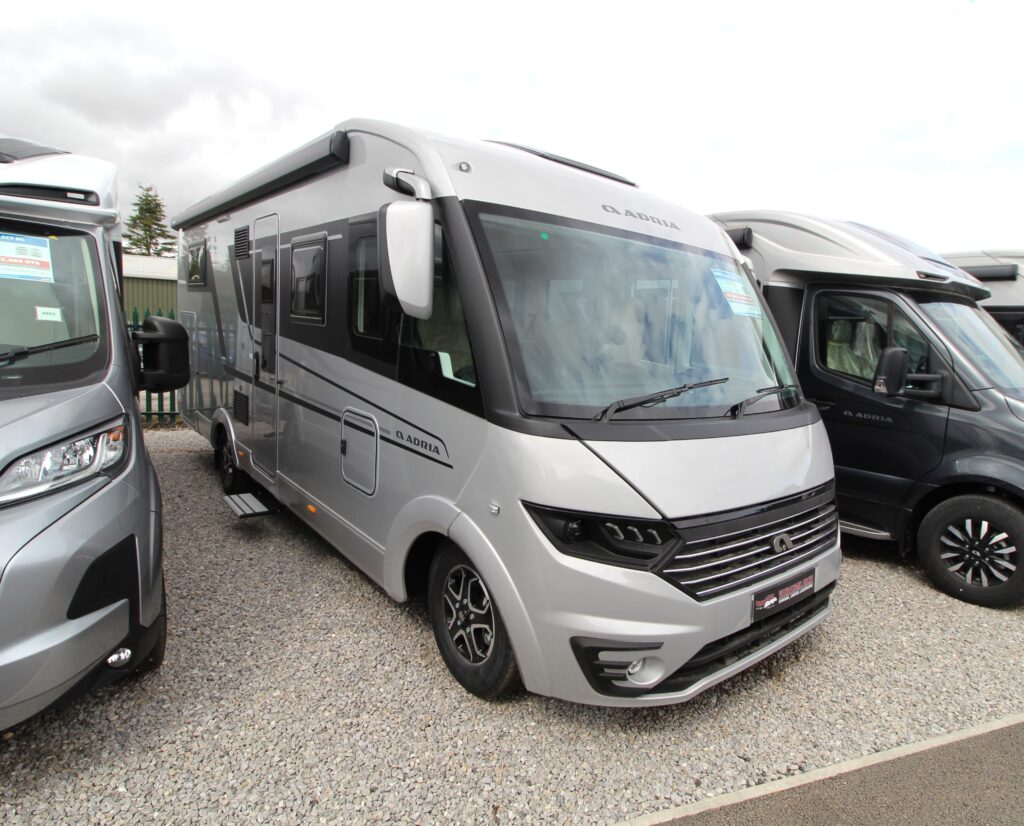
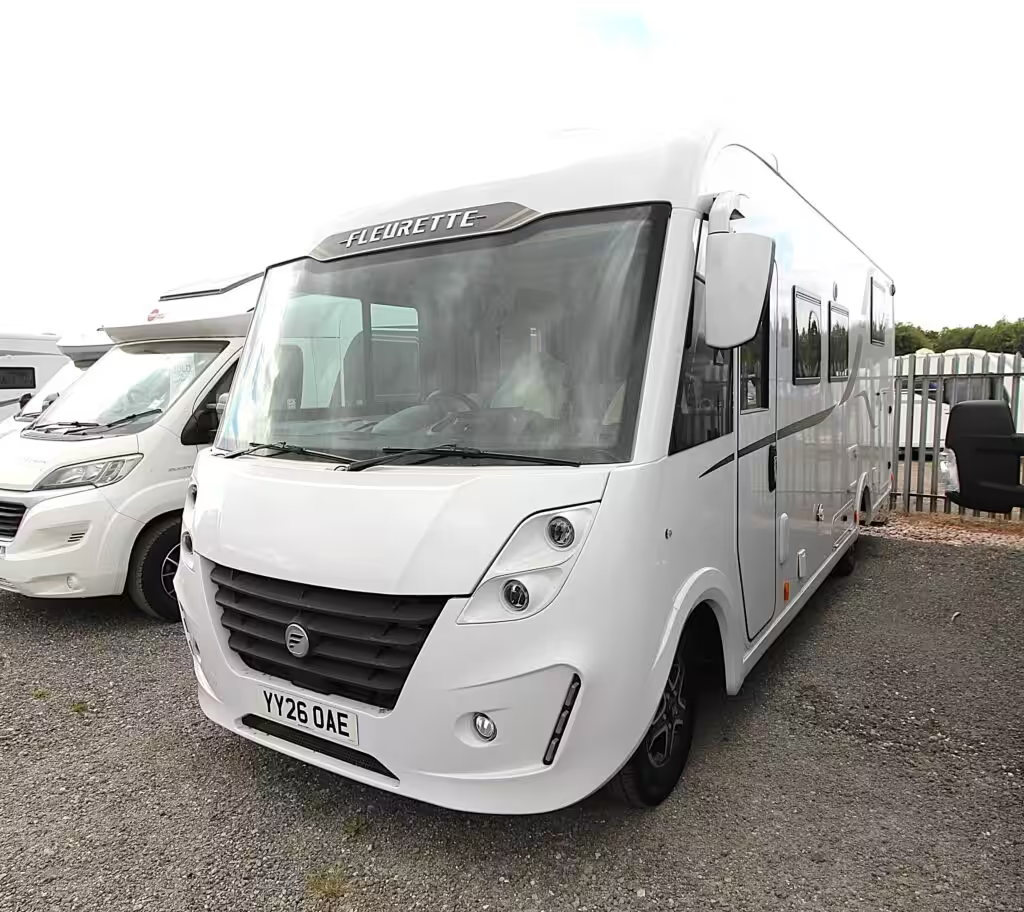
In the simplest terms possible, you need to put fuel into your motorhome to make it go – so that will be a recurring cost that you cannot avoid. There are many factors which determine how fuel efficient a motorhome is. These are: age, condition, manufacturer and model. The smaller motorhomes are more fuel efficient than larger A-class motorhomes, and therefore your fuel costs will be lower.
The costs of running a motorhome, as you can see from this edition of our blog, are not insubstantial – but that doesn’t mean you should be put off. If you are prepared for the likely annual expenditure then there should be no nasty surprises!


All rights reserved. Registered in England No. 3995919
Registered office address:
Brough Road, South Cave, Hull, East Yorkshire, HU15 2DB
Also trading at:
National Exhibition Centre, Birmingham, West Midlands B40 1NT.
- Motorhome and Caravan Show (October)
- Caravan, Camping and Motorhome Show (February)
Wandahome (South Cave) Ltd. is authorised by the FCA with limited permission to conduct certain credit related activity. FCA registration no. 3995919. Wandahome (South Cave) Ltd is a credit intermediary and can introduce you to a limited number of lenders who provide funding. Wandahome may receive commission or other benefits for introducing you to such lenders. Calls may be recorded for training and quality purposes.
Website designed and produced by KAL Group.